
Drones for Perimeter Security: Enhancing Area Protection
- ESI

- May 4
- 4 min read
In today’s world, securing large areas efficiently and effectively is a top priority for many industries. From commercial properties to warehouses and government facilities, the need for reliable perimeter protection has never been greater. One of the most promising advancements in this field is the use of drones for perimeter security. These aerial devices offer a new dimension of surveillance and rapid response that traditional methods cannot match.
Why Drones for Perimeter Security Are a Game Changer
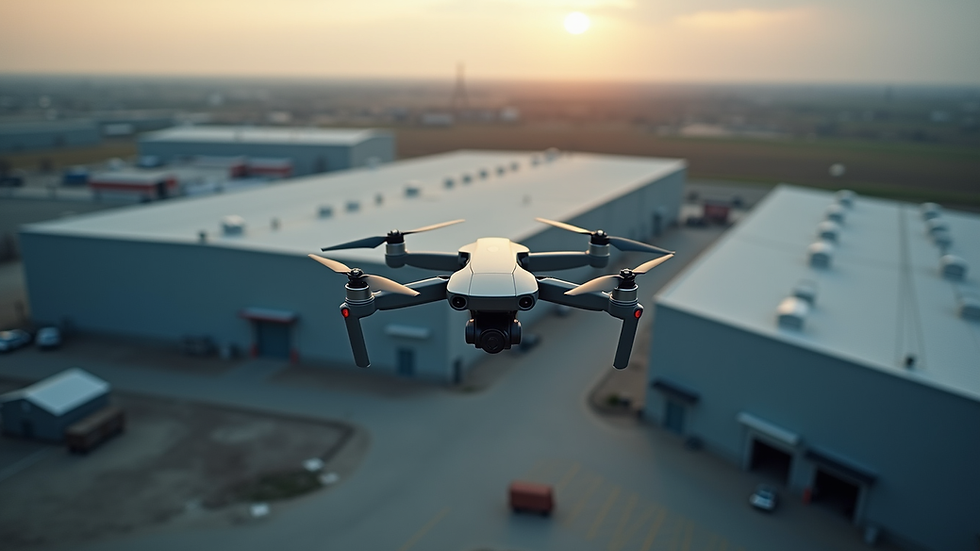
Drones bring several advantages to perimeter security that make them indispensable. First, they provide real-time aerial surveillance over large areas without the need for extensive physical infrastructure. Unlike fixed cameras or patrols, drones can cover more ground quickly and adjust their flight paths based on emerging threats or specific security needs.
Second, drones are equipped with advanced sensors and cameras, including thermal imaging and night vision. This allows them to detect intruders or unusual activity even in low-light or obscured conditions. The ability to monitor a perimeter 24/7 with high precision reduces blind spots and increases the chances of early threat detection.
Third, drones can be integrated with existing security systems. They can relay live video feeds to control centers, trigger alarms, or even coordinate with ground security teams. This integration creates a comprehensive security network that enhances situational awareness and response times.
Practical Applications of Drones in Perimeter Security
The versatility of drones makes them suitable for a wide range of security scenarios. Here are some practical examples of how drones enhance perimeter protection:
Commercial Properties: Large commercial complexes often have extensive perimeters that are difficult to monitor continuously. Drones can patrol these areas on scheduled routes or be deployed instantly when an alarm is triggered.
Retail Centers: Retail locations benefit from drones by deterring theft and vandalism. The visible presence of drones can discourage unauthorized access after hours.
Auto Dealerships: Vehicles stored outdoors are vulnerable to theft and damage. Drones provide an aerial overview that complements ground security, ensuring all vehicles are accounted for.
Warehouses and Logistics: These facilities often have multiple entry points and large outdoor storage areas. Drones can quickly inspect these zones, especially during off-hours, to detect any breaches or suspicious activity.
Manufacturing Plants: Protecting intellectual property and expensive equipment is critical. Drones can monitor restricted zones and alert security personnel to any unauthorized presence.
Government Institutions: Sensitive government sites require the highest level of security. Drones offer an additional layer of protection by providing continuous surveillance and rapid incident assessment.
How to Implement a Drone-Based Perimeter Security System
Implementing a drone perimeter security system requires careful planning and consideration. Here are the key steps to ensure success:
Assess Your Security Needs
Begin by evaluating the size and layout of your property. Identify vulnerable points and areas that require frequent monitoring. This assessment will guide the number and type of drones needed.
Choose the Right Drone Technology
Select drones equipped with the necessary sensors, such as high-resolution cameras, thermal imaging, and GPS navigation. Consider drones with autonomous flight capabilities for routine patrols.
Integrate with Existing Security Infrastructure
Ensure the drone system can communicate with your current security setup. This includes control room software, alarm systems, and communication devices for security personnel.
Develop Flight and Response Protocols
Establish clear guidelines for drone operation, including flight paths, patrol schedules, and response actions when a threat is detected. Training security staff on these protocols is essential.
Comply with Regulations
Verify that your drone operations comply with local aviation and privacy laws. Obtain necessary permits and ensure operators are certified if required.
Monitor and Maintain the System
Regularly review drone performance and update software as needed. Maintenance checks will keep drones operational and reliable.

Benefits Beyond Traditional Security Measures
Using drones for perimeter security offers benefits that go beyond what traditional methods can provide:
Cost Efficiency: Drones reduce the need for extensive physical patrols and fixed camera installations, lowering operational costs.
Rapid Deployment: In case of an alarm or suspicious activity, drones can be deployed immediately to assess the situation.
Enhanced Coverage: Drones can access hard-to-reach areas such as rooftops, fences, and dense vegetation.
Data Collection and Analysis: Drones collect valuable data that can be analyzed to improve security strategies and identify patterns.
Deterrence: The presence of drones acts as a deterrent to potential intruders who know they are being watched from above.
Future Trends in Perimeter Security Drones
The technology behind drones is evolving rapidly, and future developments will further enhance their role in perimeter security:
Artificial Intelligence (AI): AI-powered drones will be able to identify threats autonomously, reducing the need for constant human monitoring.
Swarm Technology: Multiple drones working together can cover larger areas more efficiently and coordinate responses.
Extended Flight Times: Advances in battery technology will allow drones to patrol for longer periods without recharging.
Improved Sensors: Enhanced imaging and detection capabilities will increase accuracy and reduce false alarms.
Integration with Smart Security Systems: Drones will become part of fully automated security ecosystems, communicating seamlessly with other devices and systems.
By staying informed about these trends, businesses can plan for future upgrades and maintain cutting-edge perimeter protection.
Taking the Next Step in Security Innovation
Adopting drone technology for perimeter security is a strategic move that offers immediate and long-term benefits. By investing in a perimeter security drone, organizations can enhance their surveillance capabilities, improve response times, and reduce overall security costs.
The key to success lies in selecting the right technology, integrating it effectively, and maintaining a proactive approach to security management. With drones, perimeter protection becomes more dynamic, reliable, and adaptable to evolving threats.
Elite Security Innovation Inc is committed to helping organizations implement these advanced solutions. By focusing on tailored services and first-class technology, we aim to build lasting partnerships and expand the reach of drone security worldwide.
Embracing drones for perimeter security is not just about technology - it is about creating safer environments and protecting valuable assets with confidence and precision.


Comments