
Enhancing Security with Autonomous Drone Solutions
- ESI

- Jan 19
- 4 min read
Updated: Feb 3
Security challenges are growing more complex as threats evolve and expand. Traditional security methods often struggle to keep up with these changes. Autonomous drone security solutions offer a new way to improve safety by providing fast, flexible, and intelligent monitoring. These drones can operate independently, covering large areas and responding quickly to potential risks. This post explores how autonomous drones enhance security, their practical uses, and what makes them a valuable tool for protecting people and property.
How Autonomous Drones Improve Security
Autonomous drones use advanced sensors, cameras, and artificial intelligence to patrol and monitor environments without constant human control. This independence allows them to perform tasks that are difficult or dangerous for people. Here are key ways these drones improve security:
Continuous Surveillance
Drones can fly predefined routes or adapt their paths based on real-time data. This means they provide constant monitoring, day and night, reducing blind spots that fixed cameras might miss.
Rapid Response
When a drone detects unusual activity, it can alert security teams immediately. Some drones can even follow or track suspicious individuals until help arrives.
Access to Hard-to-Reach Areas
Drones can easily navigate places that are difficult or unsafe for humans, such as rooftops, large outdoor spaces, or hazardous zones.
Cost Efficiency
Using drones reduces the need for large security teams or expensive infrastructure. They can cover wide areas quickly, lowering overall security costs.
Practical Applications of Autonomous Drone Security
Autonomous drones are already making a difference in various sectors. Here are some examples of how they are used:
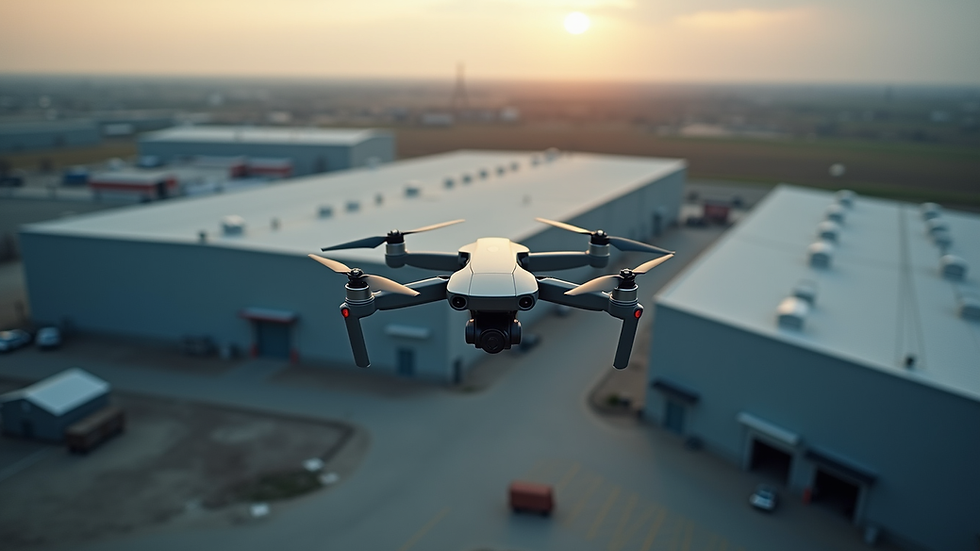
Industrial Sites and Warehouses
Large industrial sites often have complex layouts with many entry points. Drones can patrol these areas regularly, checking for unauthorized access, equipment malfunctions, or safety hazards. For example, a mining company might use drones to monitor remote sites where human patrols are risky.
Public Events and Crowded Spaces
Events like concerts or sports games require tight security to manage crowds and prevent incidents. Drones provide an aerial view, helping security teams spot potential problems early. They can also guide emergency responders by providing live footage of the situation.
Border and Perimeter Security
Drones help border patrol agencies monitor long stretches of land or water borders. Their ability to cover large distances quickly makes them ideal for spotting illegal crossings or smuggling activities.
Critical Infrastructure Protection
Power plants, water treatment facilities, and communication towers are vital assets that need constant protection. Autonomous drones can detect intrusions or damage, allowing for faster intervention and reducing downtime.
Features That Make Autonomous Drones Effective
Several technologies combine to make autonomous drones a powerful security tool:
AI and Machine Learning
These allow drones to recognize unusual behavior or objects automatically. For example, a drone might learn to identify a person climbing a fence or a vehicle parked in a restricted zone.
Thermal Imaging
Thermal cameras help drones detect heat signatures, useful for night surveillance or finding people in dense foliage.
Obstacle Avoidance
Advanced sensors help drones navigate safely around trees, buildings, or other obstacles, ensuring smooth and uninterrupted patrols.
Real-Time Data Transmission
Drones send live video and sensor data to security teams, enabling quick decisions and coordinated responses.
Challenges and Considerations
While autonomous drone security offers many benefits, some challenges remain:
Privacy Concerns
Using drones for surveillance raises questions about privacy rights. Clear policies and regulations are necessary to balance security needs with individual privacy.
Regulatory Compliance
Drone operations must follow local aviation laws, which can vary widely. Companies need to ensure their drone use complies with these rules.
Technical Limitations
Battery life and weather conditions can affect drone performance. Planning for these factors is essential to maintain reliable security coverage.
Integration with Existing Systems
Drones should work alongside other security tools, such as cameras and alarms, to create a comprehensive security network.
Future Trends in Autonomous Drone Security
The technology behind autonomous drones continues to improve. Some trends to watch include:
Swarm Technology
Multiple drones working together to cover larger areas or perform complex tasks.
Improved AI Capabilities
Smarter drones that can predict threats and make decisions without human input.
Longer Flight Times
Advances in battery technology will allow drones to patrol for extended periods.
Better Data Analytics
Enhanced software to analyze drone data and provide actionable insights for security teams.
The Importance of Tailored Security Solutions
In today's world, the need for effective security solutions is paramount. Autonomous drones represent a significant advancement in this field. They offer a blend of technology and practicality that can be customized to meet specific security needs. By integrating these solutions, organizations can enhance their overall security posture.
Final Thoughts on Autonomous Drone Security
Autonomous drone security solutions offer a practical and effective way to enhance safety across many environments. Their ability to provide continuous, flexible, and intelligent surveillance makes them a valuable addition to traditional security methods. As technology advances and regulations evolve, these drones will become even more capable and widely used. Embracing these innovations will help ensure a safer future for all.


Comments