
Future Security Tech Trends: Top Security Technology Trends for 2026
- ESI

- Jan 30
- 4 min read
Security technology is evolving rapidly. Every year brings new tools and methods to protect homes, businesses, and government institutions. In 2026, the pace of innovation continues to accelerate. Staying informed about the latest developments is essential for anyone looking to enhance their security measures. I will walk you through the most important future security tech trends that will shape the industry this year.
Emerging Future Security Tech Trends in 2026
The security landscape is changing. New threats require new solutions. Here are some of the key trends that will dominate the market in 2026:
Artificial Intelligence (AI) and Machine Learning (ML): AI is no longer just a buzzword. It is now a core component of many security systems. AI-powered cameras and sensors can detect unusual behavior faster and more accurately than humans. Machine learning algorithms improve over time, adapting to new threats and reducing false alarms.
Biometric Authentication: Fingerprint scanners and facial recognition are becoming more common. In 2026, biometric systems will expand to include voice recognition and even behavioral biometrics. These methods provide stronger security than traditional passwords or PINs.
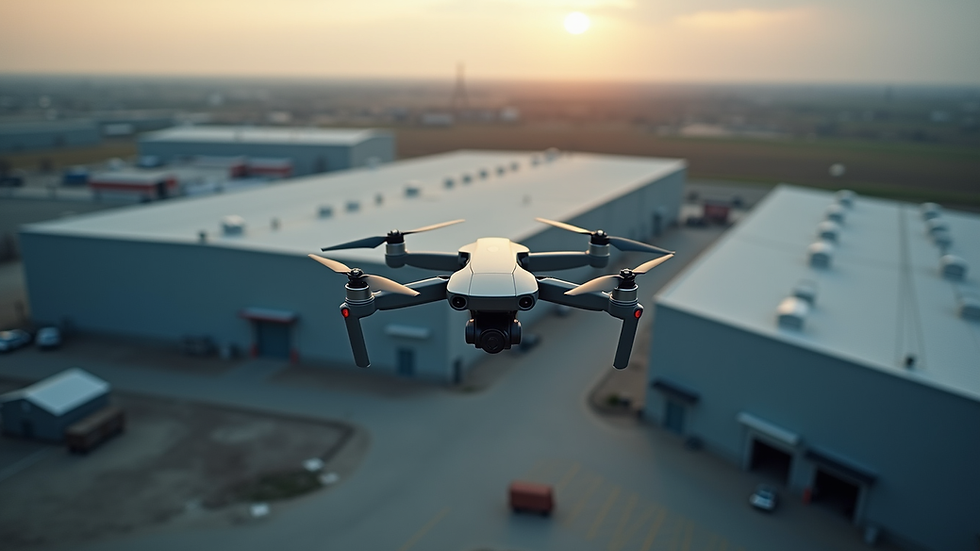
Drone Security Solutions: Drones are transforming surveillance. They can cover large areas quickly and provide real-time video feeds. Security drones equipped with thermal imaging and AI analytics will be widely used for perimeter security and emergency response.
Cloud-Based Security Systems: Cloud technology allows for centralized control and monitoring. It also enables faster updates and better data storage. Cloud-based systems are scalable and cost-effective, making them ideal for businesses and government agencies.
Internet of Things (IoT) Security: As more devices connect to the internet, securing them becomes critical. IoT security solutions will focus on protecting smart home devices, industrial sensors, and connected infrastructure from cyberattacks.
These trends reflect a shift towards smarter, more integrated security solutions. They offer better protection while simplifying management and reducing costs.

How AI and Machine Learning Are Shaping Security
Artificial intelligence is at the heart of many future security tech trends. AI systems analyze vast amounts of data from cameras, sensors, and access points. They identify patterns and detect anomalies that humans might miss.
For example, AI-powered video analytics can recognize suspicious behavior such as loitering or unauthorized access. This allows security teams to respond quickly before incidents escalate. Machine learning models continuously improve by learning from new data, making them more effective over time.
AI also enhances cybersecurity. It can detect malware, phishing attempts, and network intrusions faster than traditional methods. Automated threat detection reduces the workload on security professionals and improves response times.
To implement AI effectively, it is important to:
Choose systems with proven accuracy and low false alarm rates.
Ensure data privacy and compliance with regulations.
Train staff to interpret AI alerts and take appropriate action.
By integrating AI and machine learning, security systems become more proactive and reliable.
Biometric Authentication: Beyond Passwords
Passwords are no longer enough to secure sensitive areas or data. Biometric authentication offers a more secure alternative by using unique physical or behavioral traits.
In 2026, biometric systems will expand beyond fingerprints and facial recognition. Voice recognition will allow hands-free access control, useful in environments where touching surfaces is undesirable. Behavioral biometrics analyze patterns such as typing rhythm or walking gait to verify identity continuously.
These technologies reduce the risk of unauthorized access and identity theft. They also improve user convenience by eliminating the need to remember complex passwords.
When adopting biometric authentication, consider:
The accuracy and speed of the system.
Privacy concerns and data protection measures.
Integration with existing security infrastructure.
Biometric solutions provide a strong layer of security that adapts to modern needs.

The Rise of Drone Security in Surveillance
Drones are becoming indispensable tools for security. They offer mobility and flexibility that fixed cameras cannot match. In 2026, drone security will expand significantly across various sectors.
Drones equipped with high-resolution cameras and thermal sensors can patrol large properties, detect intruders, and monitor crowds. They provide real-time video feeds to security teams, enabling faster decision-making.
Some practical applications include:
Monitoring construction sites to prevent theft and vandalism.
Securing large outdoor events and public gatherings.
Assisting law enforcement with search and rescue operations.
To maximize the benefits of drone security:
Use drones with AI-powered analytics for automatic threat detection.
Ensure compliance with local regulations regarding drone flights.
Train operators to handle drones safely and effectively.
Drone security is a game-changer for perimeter protection and rapid response.
Cloud-Based Security Systems for Scalability and Efficiency
Cloud technology is transforming how security systems are managed. Cloud-based platforms allow centralized control of cameras, alarms, and access points from anywhere.
Benefits of cloud-based security include:
Scalability: Easily add or remove devices as needs change.
Cost-effectiveness: Reduce the need for on-site servers and maintenance.
Real-time updates: Receive software patches and new features instantly.
Data storage: Securely store video footage and logs off-site.
Businesses and government institutions benefit from cloud security by simplifying operations and improving collaboration among security teams.
To implement cloud-based security successfully:
Choose providers with strong encryption and data protection policies.
Ensure reliable internet connectivity for uninterrupted service.
Regularly review access permissions and audit logs.
Cloud security systems offer flexibility and resilience for modern security challenges.
Preparing for the Future of Security Technology
The security industry is moving towards integrated, intelligent solutions. To stay ahead, it is important to adopt technologies that offer both protection and ease of use.
Here are some actionable recommendations:
Invest in AI-powered analytics to enhance threat detection.
Upgrade to biometric authentication for stronger access control.
Explore drone security options for large or complex sites.
Transition to cloud-based platforms for better management.
Secure IoT devices to prevent cyber vulnerabilities.
By embracing these future security tech trends, you can build a robust defense system that adapts to evolving threats.
For more detailed insights, check out this resource on security technology trends 2026.
Security technology is advancing fast. Staying informed and proactive is the best way to protect your assets and people. The future of security is here, and it is smarter, faster, and more reliable than ever before.


Comments